
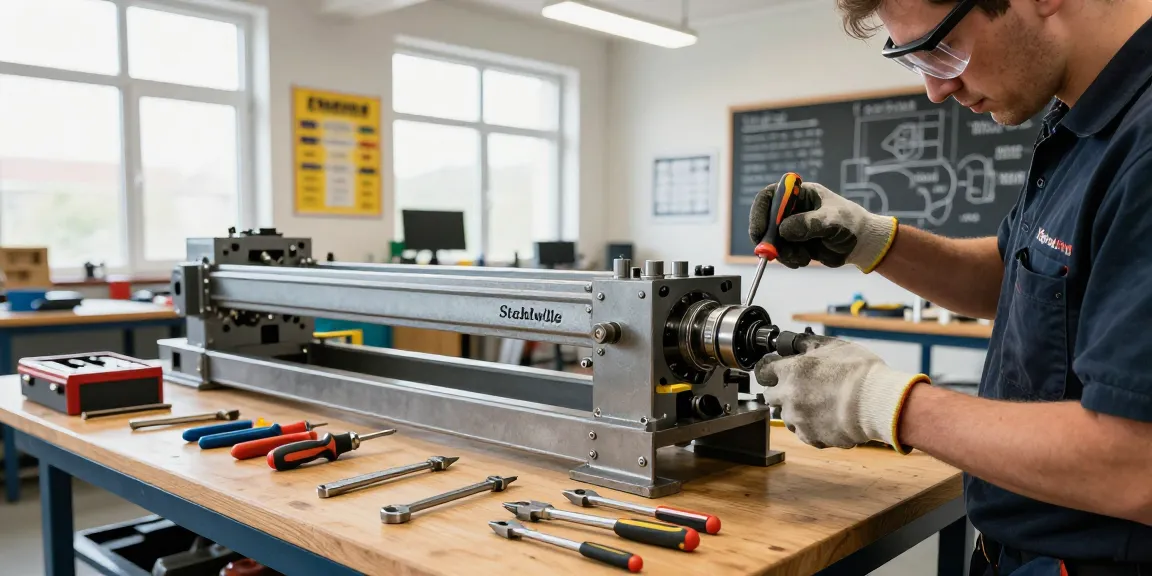
Understanding Stahlwille Tools
When it comes to high-quality tools, Stahlwille has established itself as a trusted name among professionals. Their reputation is built on a legacy of precision engineering and innovation, ensuring that tradespeople have the best tools at their disposal. Whether you’re a mechanic, engineer, or DIY enthusiast, understanding the various applications and benefits of stahlwille tools can greatly enhance your projects.
Overview of Stahlwille Tools and Their Applications
Stahlwille tools are renowned for their exceptional quality and precision, making them a staple in many industries. Founded in 1862 in Germany, Stahlwille has continuously refined its manufacturing processes to produce tools that meet the highest standards. Their product range includes wrenches, sockets, screwdrivers, and specialized automotive tools, catering to both industrial and professional needs.
These tools are particularly favored in automotive repair, aerospace, and mechanical engineering. For instance, Stahlwille’s torque wrenches are crucial in automotive applications where correct torque settings are essential for safety and performance. Additionally, their hand tools are designed for ease of use, durability, and accuracy, making them invaluable for precise assembly tasks.
Popular Products and Features of Stahlwille Tools
Stahlwille offers an impressive array of products, with several standout items that exemplify their commitment to quality. One popular product is the Stahlwille Torque Wrench, known for its robust construction and easy calibration features. This ensures that mechanics can achieve precise torque settings without worry. Another notable product is their expansive line of socket sets that feature a wide range of sizes and configurations, allowing for versatility in tackling various jobs.
Common features of Stahlwille tools include ergonomic handles, which reduce strain during prolonged use, and high-grade materials that provide resistance to wear and tear. The company’s use of chrome vanadium steel ensures that their tools maintain their integrity even under heavy use, thus enhancing longevity.
Target Industries for Stahlwille Tools
Stahlwille tools are utilized across a variety of sectors, including automotive, aerospace, construction, and manufacturing. In the automotive industry, their tools are essential for repair and maintenance work, where precision is critical. In aerospace, where safety standards are stringent, Stahlwille’s specialized tools ensure that every component is assembled correctly.
Moreover, construction professionals rely on Stahlwille for their hand tools and measuring instruments, ensuring high-quality results on-site. The versatility and reliability of these tools make them a preferred choice among professionals who demand the best performance from their equipment.
Benefits of Using Stahlwille Tools
Choosing the right tools can profoundly impact the quality of work, and Stahlwille tools offer numerous benefits that set them apart from competitors. Their commitment to quality manufacturing, durability, and value over time contributes to a seamless working experience.
Precision and Quality in Tool Manufacturing
Precision is paramount in tool manufacturing, and Stahlwille excels in this aspect. The company employs advanced technology and stringent quality control measures to ensure that every tool meets professional standards. This precision translates into better performance, reduced risk of errors, and ultimately, safer working conditions.
Durability and Longevity of Stahlwille Tools
Investing in durable tools is not just a matter of performance—it’s also about long-term cost savings. Stahlwille tools are designed to withstand rigorous use without succumbing to wear and tear. Their robust build quality means that users spend less on replacements and repairs, leading to increased efficiency and productivity over time.
Cost-effectiveness Over Time
The initial investment in quality tools can be daunting, but the cost-effectiveness of Stahlwille tools becomes evident over time. Their durability means that they do not need frequent replacements, providing value for money. Additionally, the precision of these tools reduces the likelihood of damage to projects, further minimizing costs associated with errors and rework.
Challenges with Stahlwille Tools
While Stahlwille tools are generally regarded as some of the best in the industry, users may encounter challenges that warrant discussion. Understanding these challenges can help prospective buyers make informed decisions.
Common Issues Users Face
One common issue users may face with any high-end tools, including Stahlwille, is the learning curve associated with their advanced features. Professional-grade tools often come with complex functionalities that may be overwhelming for beginners. Additionally, the upfront cost can be a barrier for some, although it is often justified by the quality and longevity of the products.
Misconceptions About Tool Brands
Another challenge stems from misconceptions about tool brands. Some users may dismiss Stahlwille due to a lack of familiarity, opting instead for more well-known brands without considering the quality and performance of Stahlwille tools. This can lead to poor tool selection and ultimately affect work quality.
How to Overcome Challenges in Tool Selection
To overcome these challenges, it’s essential for users to educate themselves about the specifications and functionalities of Stahlwille tools. Seeking advice from experienced professionals and referring to trusted resources can help demystify the complexities associated with advanced tools. Furthermore, considering the specific needs of a project before selecting tools can aid in making an informed choice.
Best Practices for Utilizing Stahlwille Tools
To maximize the performance and lifespan of Stahlwille tools, users should adopt best practices that enhance their experience and ensure efficient usage.
Proper Maintenance for Longevity
Regular maintenance is key to extending the life of any tool. Users should clean their Stahlwille tools after each use to remove debris and prevent corrosion. Additionally, lubrication of moving parts will facilitate smooth operation and reduce wear. By treating tools with care, users can maintain their precision and functionality for years to come.
Techniques for Effective Usage
Effective usage techniques vary depending on the type of tool. For instance, when using torque wrenches, it’s crucial to follow the manufacturer’s torque specifications to prevent over-tightening, which can lead to damage. Moreover, using the right tool for the job ensures efficiency and safety, reducing the risk of accidents.
Tool Safety and Compliance Guidelines
Safety should always be a priority when using tools. Users must be aware of the safety compliance guidelines associated with each tool. Wearing appropriate personal protective equipment (PPE) and following operational protocols can prevent injuries. Training and familiarity with tools also enhance safety outcomes in professional environments.
Future Trends in Tool Engineering (2026 and Beyond)
As technology continues to evolve, the landscape of tool engineering is also changing. In the coming years, several trends are expected to shape the industry, influencing the design and functionality of tools.
Innovative Technologies in Tool Manufacturing
One significant trend is the integration of advanced technologies, such as artificial intelligence and machine learning, into tool manufacturing. These technologies can enhance precision, streamline manufacturing processes, and enable customization that meets specific user needs. Smart tools equipped with sensors may provide real-time data, improving operational efficiency and safety.
Sustainability in Tool Production
Another important trend is the shift towards sustainable manufacturing practices. With increasing awareness of environmental issues, companies like Stahlwille are focusing on reducing their ecological footprint. This includes using eco-friendly materials, optimizing manufacturing processes, and promoting recycling initiatives.
Predictions for the Tool Industry Landscape
Looking ahead, the tool industry is likely to witness significant innovations that prioritize user experience, sustainability, and intelligent technology. As professionals demand tools that not only perform well but also align with environmentally responsible practices, manufacturers will need to adapt accordingly. This evolution will ultimately benefit users, leading to safer, more efficient, and more sustainable tool options.
What are the key features of Stahlwille tools?
Stahlwille tools are characterized by their precision engineering, ergonomic designs, and high-quality materials, ensuring durability and ease of use for both professionals and amateurs.
How do Stahlwille tools compare to competitors?
Stahlwille tools often outperform competitors in terms of precision and durability, making them a preferred choice among professionals who require reliability and longevity in their tools.
What maintenance tips can enhance tool longevity?
Key maintenance tips for Stahlwille tools include regular cleaning, lubrication of moving parts, and proper storage to prevent damage and wear.
Are Stahlwille tools suitable for beginners?
While Stahlwille tools are primarily designed for professionals, beginners can also benefit from their precision and ease of use, especially with proper guidance and training.
What future trends should users expect in tools?
Users can expect innovations such as smart tools with integrated technology, sustainable manufacturing practices, and advanced materials that enhance performance and user experience in the coming years.. Additionally, Mister Worker provides further details.
